
This fits if
The situation matches
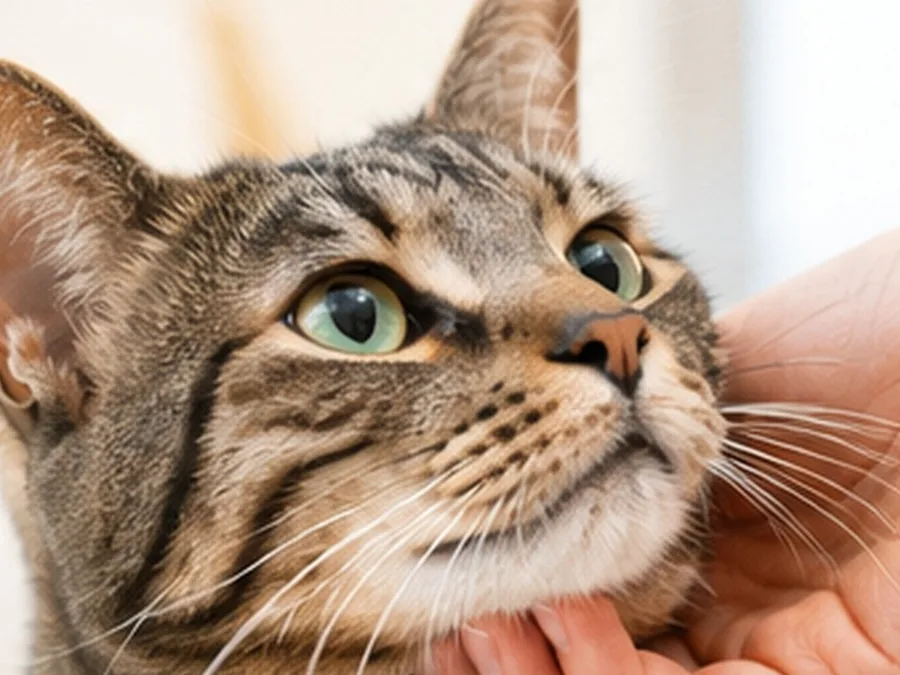
The bite happened during petting, scratching, stroking, cuddling, or reaching for more contact after your cat had been near you.
Site search
Cat behavior guide
Petting can feel good until it does not. A cat may purr, enjoy several strokes, and still become tense or need the interaction to stop. Read the whole cat, not the purr alone.
Start by matching the situation
If the bite broke skin, handle the wound first. If not, check whether this sounds like your situation.
This fits if
The bite happened during petting, scratching, stroking, cuddling, or reaching for more contact after your cat had been near you.
Do first
Stop petting earlier than you think you need to. Move your hand away calmly and let your cat choose whether to return.
Then
Use shorter sessions, pause after a few strokes, and watch for the first body change instead of waiting for a bite.
Change course if
Start with wound care if skin broke. Check the health guide if touch tolerance changed suddenly or one body area seems painful.

What to look for
The useful signal is the change: the cat turns, stiffens, moves the tail faster, or tries to leave.
What to try first
During petting
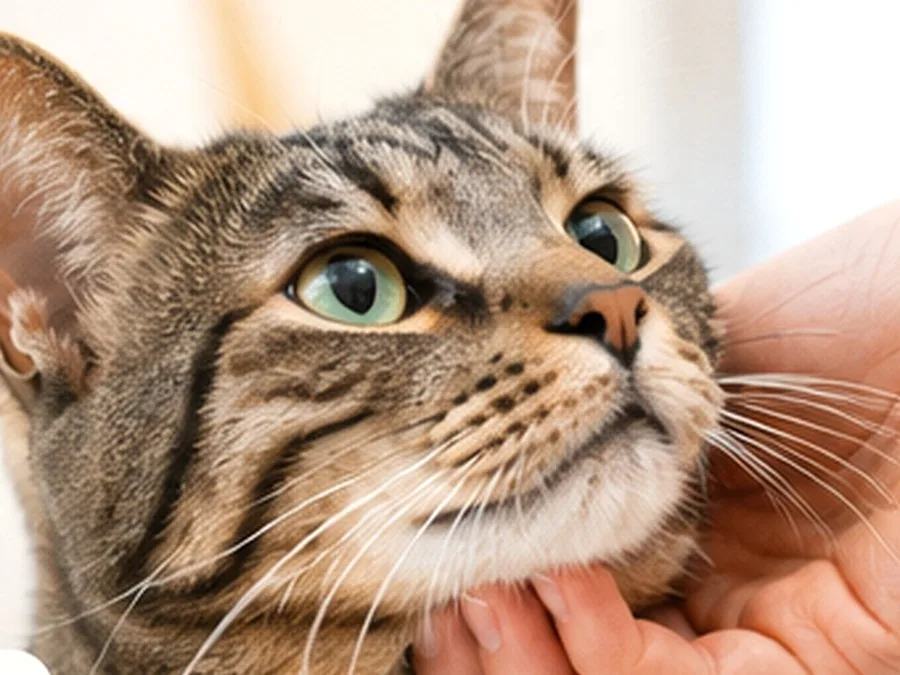
Stop before the body changes. Give the cat a moment to choose whether to stay, leave, or ask for more.
When you see a change
Do not hold the cat in place or reach again immediately. Let the warning work before it becomes a bite.
Next time
Use shorter sessions and pet areas your cat consistently chooses. Let the cat return rather than following.
When to change course
Check the health guide if touch tolerance changed suddenly, the reaction is linked to one body area, or there are changes in movement, grooming, appetite, sleep, or litter-box habits.
Why it happens
A cat can choose contact and still need that contact to end. The mistake is often treating the first yes as a permanent yes. Your goal is to notice the first change, stop early, and let the cat restart contact if they want more.
A cat may choose to sit near you or accept a few strokes, then need the interaction to stop. The change can be fast, especially if the same area is touched repeatedly.
Common early changes include a faster tail, head turn, skin ripple, ear rotation, stillness, looking away, shifting weight, or trying to leave.
If the reaction is new, intense, or tied to one body area, stop treating it as a preference issue and check the health guide.
Many reports describe a cat that seemed fine until the bite. Often the signal was brief, subtle, or interpreted as play.
Purring, then biting
Purring does not override what the rest of your cat’s body is telling you. If the tail speeds up, the head turns, the skin ripples, the body freezes, or your cat shifts away, pause the petting. A gentle bite by itself does not explain why it happened; the better clues are what you touched, what changed, and whether your cat could leave. If licking and biting happened back to back, use the lick-and-bite sequence guide to compare what came first.
Compare it with posture, tail speed, ear position, gaze, and movement. Do not take the sound alone as permission to keep petting.
A light nip can happen during petting, play, or an attempt to end contact. Stop, give your cat space, and look at what happened immediately beforehand.
If the biting is new or happens whenever you touch the same area, stop testing that spot and check the health guide.
Real-world patterns
The cat jumps up, accepts face or head strokes, then the tail starts moving faster. The bite happens when the person continues down the back or reaches again after the cat looks away.
The cat rolls partly sideways and the person treats it as an invitation for belly rubbing. The cat grabs or bites because the posture was comfort, stretching, play, or self-protection—not consent for abdominal touch.
The cat has already shifted weight or turned the head, but the person tries one more stroke to see if the cat is still friendly. The bite becomes the clearest stop signal.
A safer petting routine
The practical fix is not to pet more confidently. It is to make the interaction shorter, easier to leave, and easier for the cat to restart.
If the change is sudden, your cat reacts to one body area, or you notice stiffness, hiding, appetite changes, grooming changes, or litter-box changes, check the health guide.
Petting-bite sources
The explanation uses veterinary and peer-reviewed sources. Scenario examples are patterns, not evidence that one cat has one specific cause.